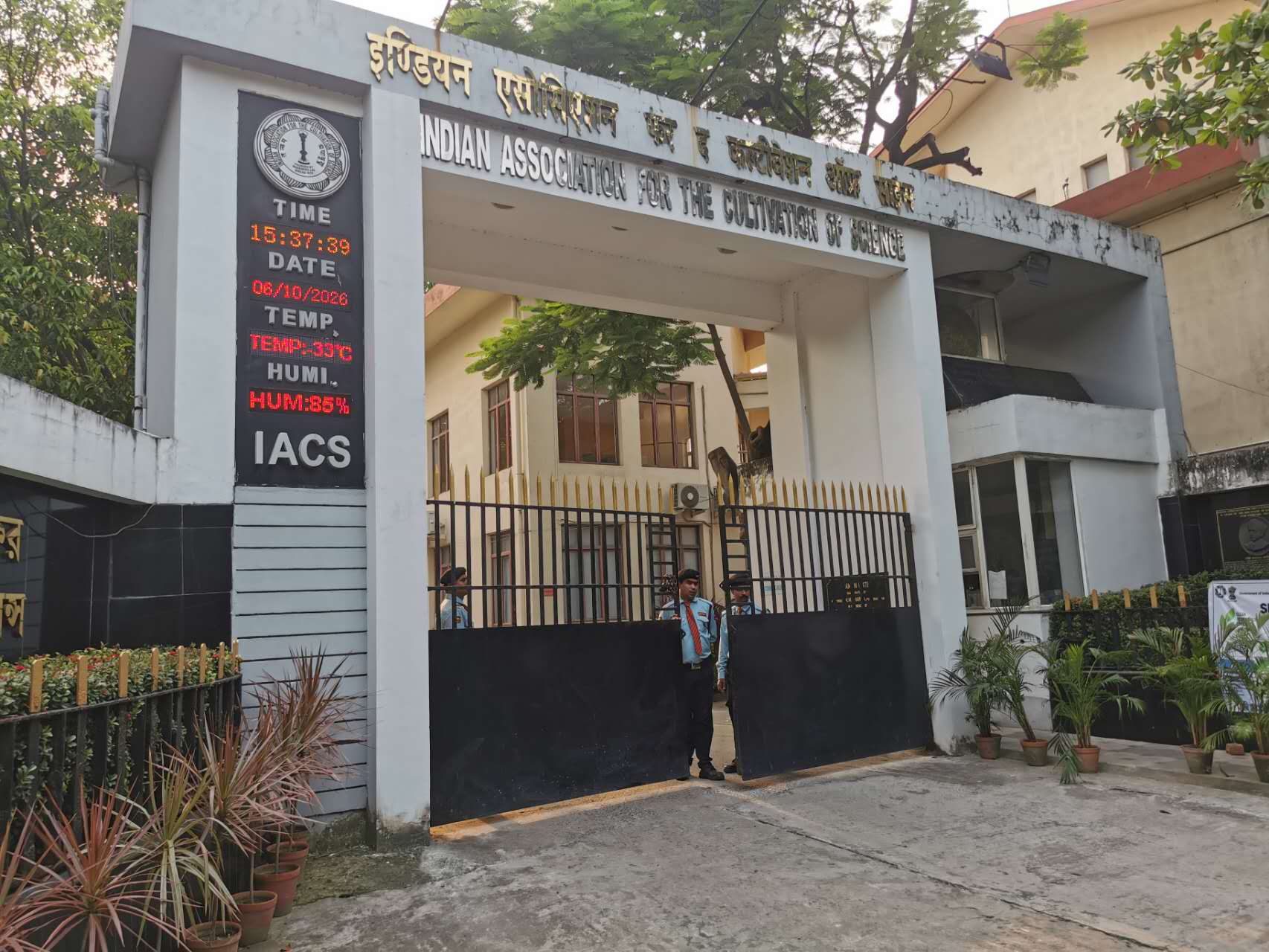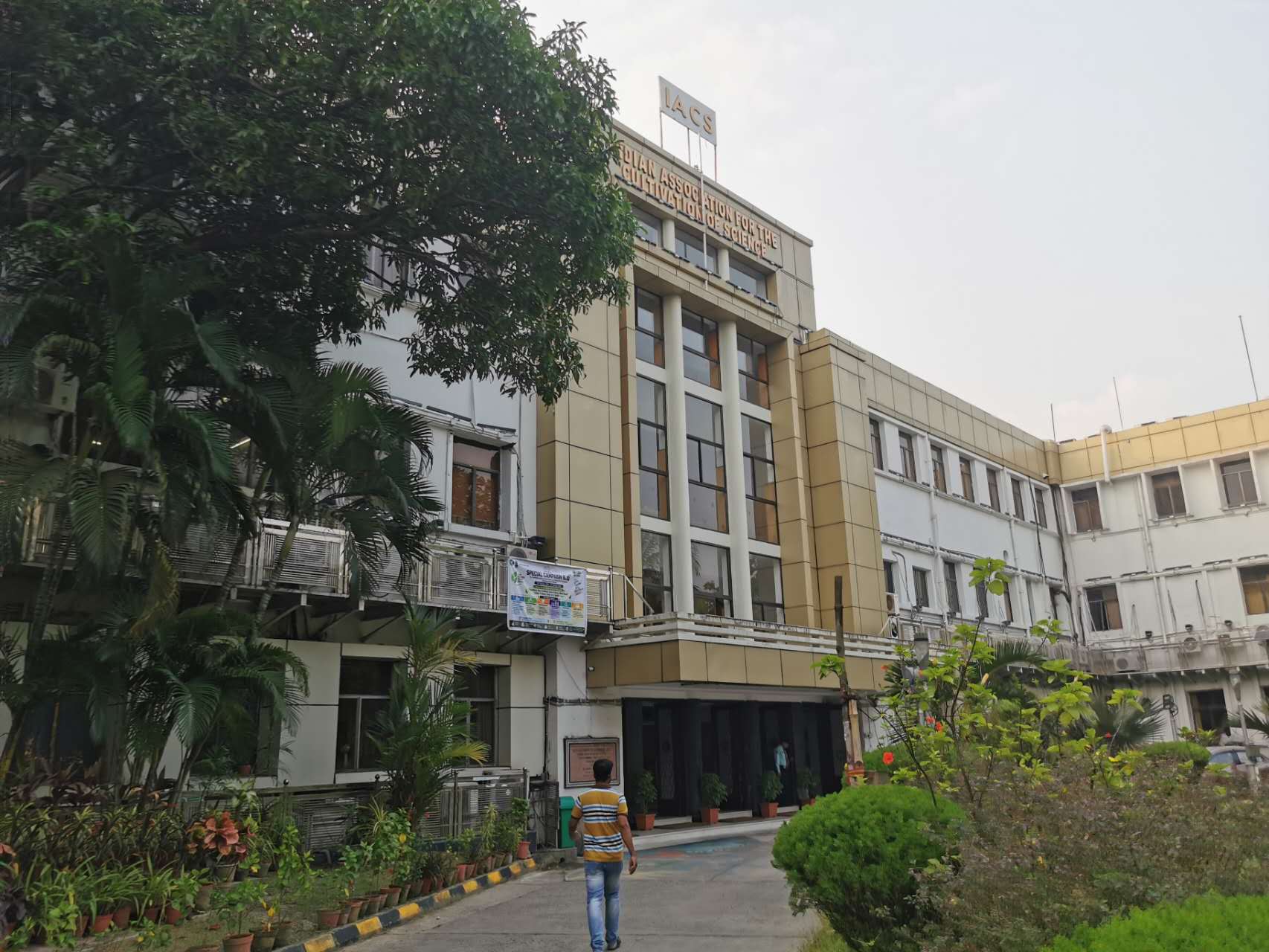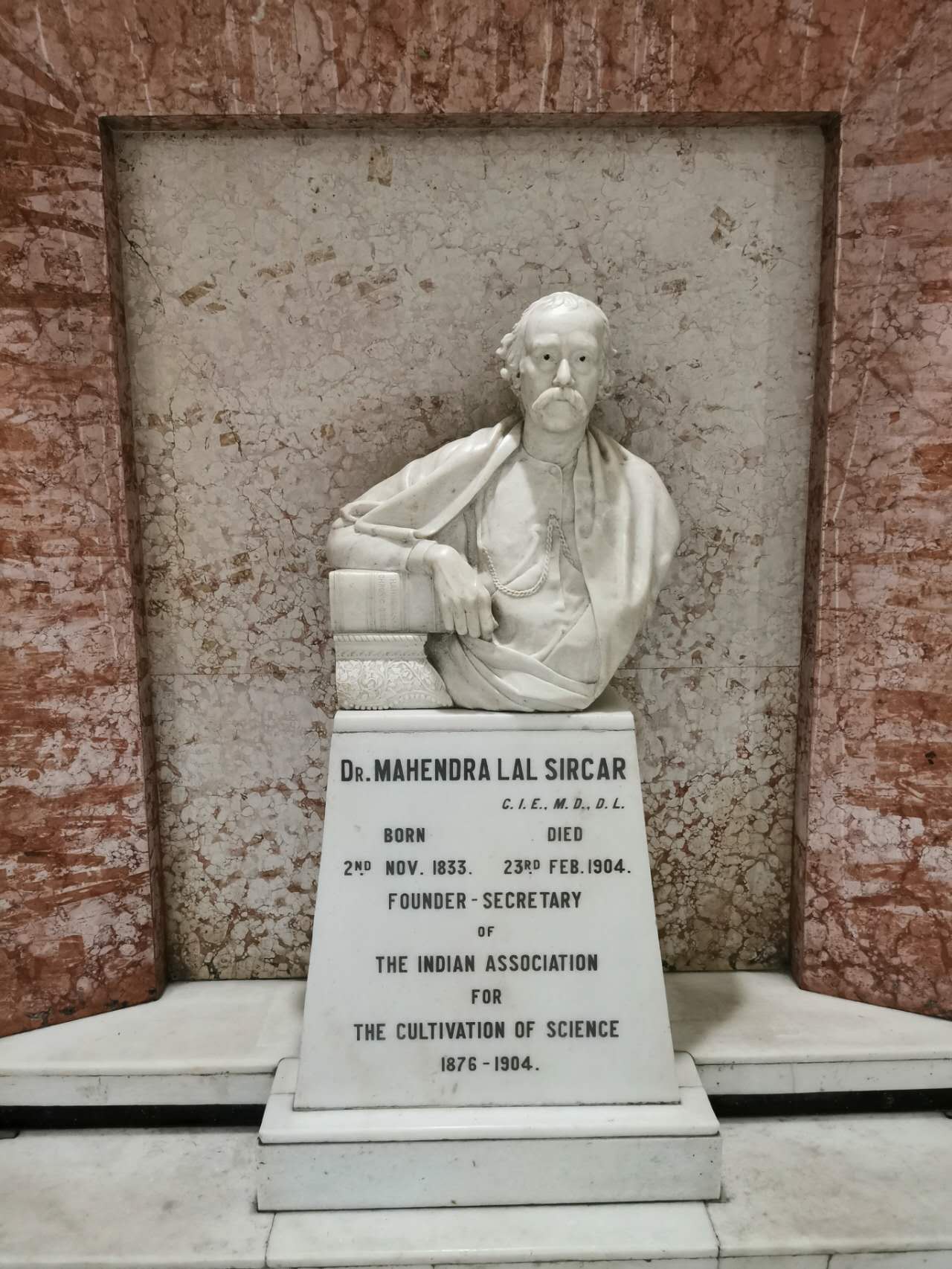
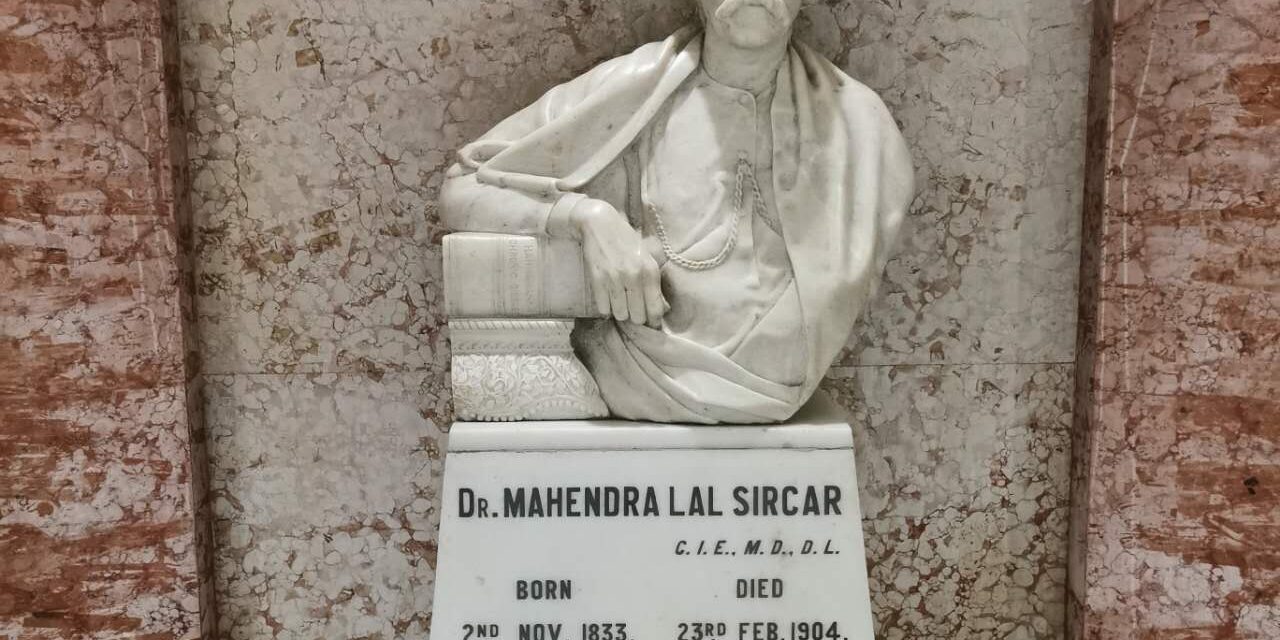
Following our participation in EMSI, India’s annual electron microscopy conference, EMSIS had the honour of visiting the Indian Association for the Cultivation of Science (IACS) in Kolkata, one of India’s most historic scientific research institutions.
Founded in 1876, IACS has played an important role in the development of scientific research in India. Its distinguished history is closely associated with Sir Chandrasekhara Venkata Raman, who conducted pioneering research on light scattering at the institution. His discovery of the Raman Effect in 1928 led to the award of the Nobel Prize in Physics in 1930, making him the first Asian scientist to receive a Nobel Prize.
The Raman Effect laid the physical foundation for Raman spectroscopy, an analytical technique that enables scientists to investigate the molecular composition and properties of materials. Today, Raman spectroscopy remains an important tool across disciplines including chemistry, materials science, and life sciences.
For EMSIS, a company dedicated to developing and supporting imaging solutions for electron microscopy, visiting an institution with such a remarkable scientific legacy was an inspiring experience. It was a welcome opportunity to reflect on the enduring importance of fundamental research and the role that scientific instruments play in advancing our understanding of the world.
We are grateful for the opportunity to visit IACS and to learn more about the institution’s contribution to India’s scientific heritage.
We look forward to continuing to build relationships with researchers and scientific institutions across India and supporting the country’s vibrant research community.